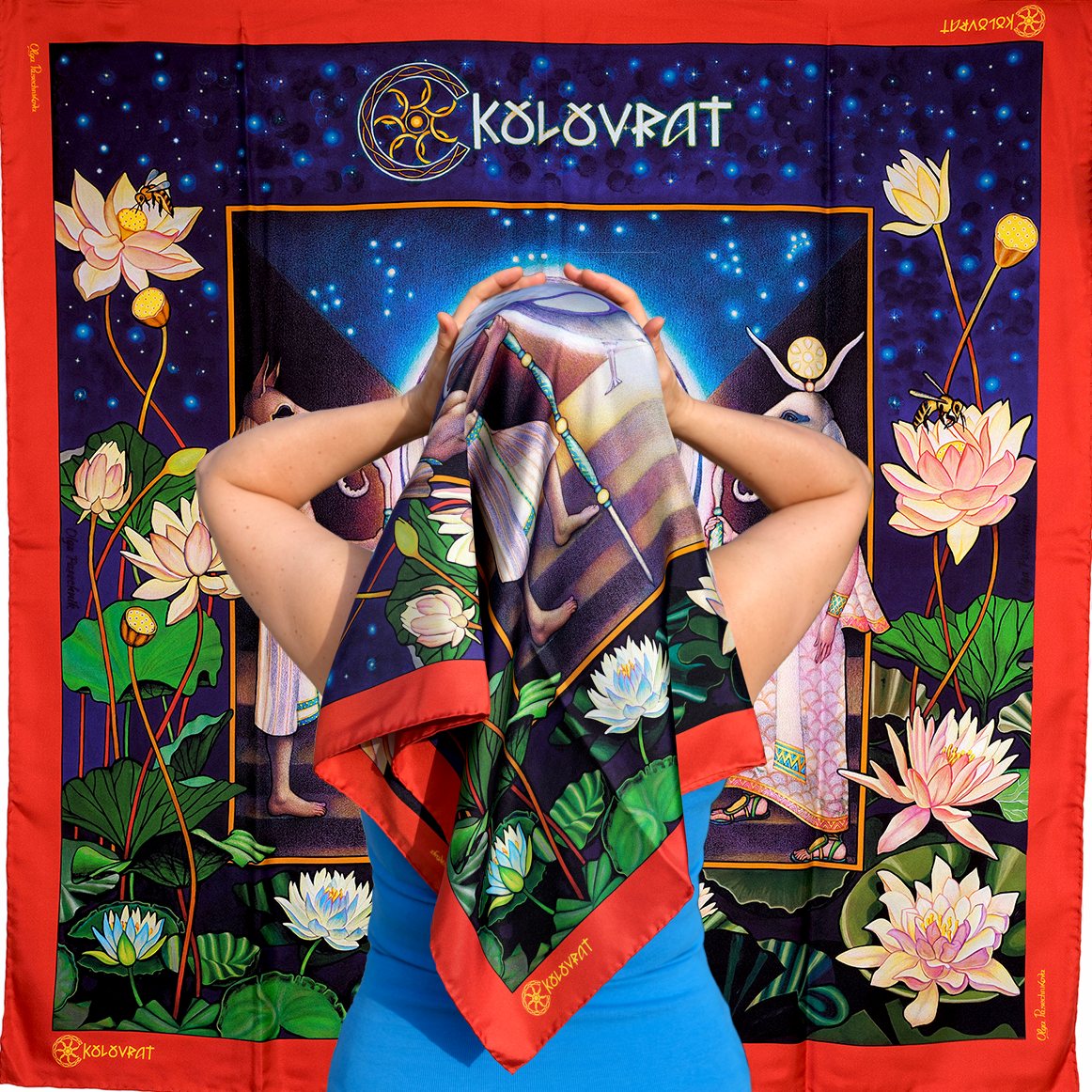
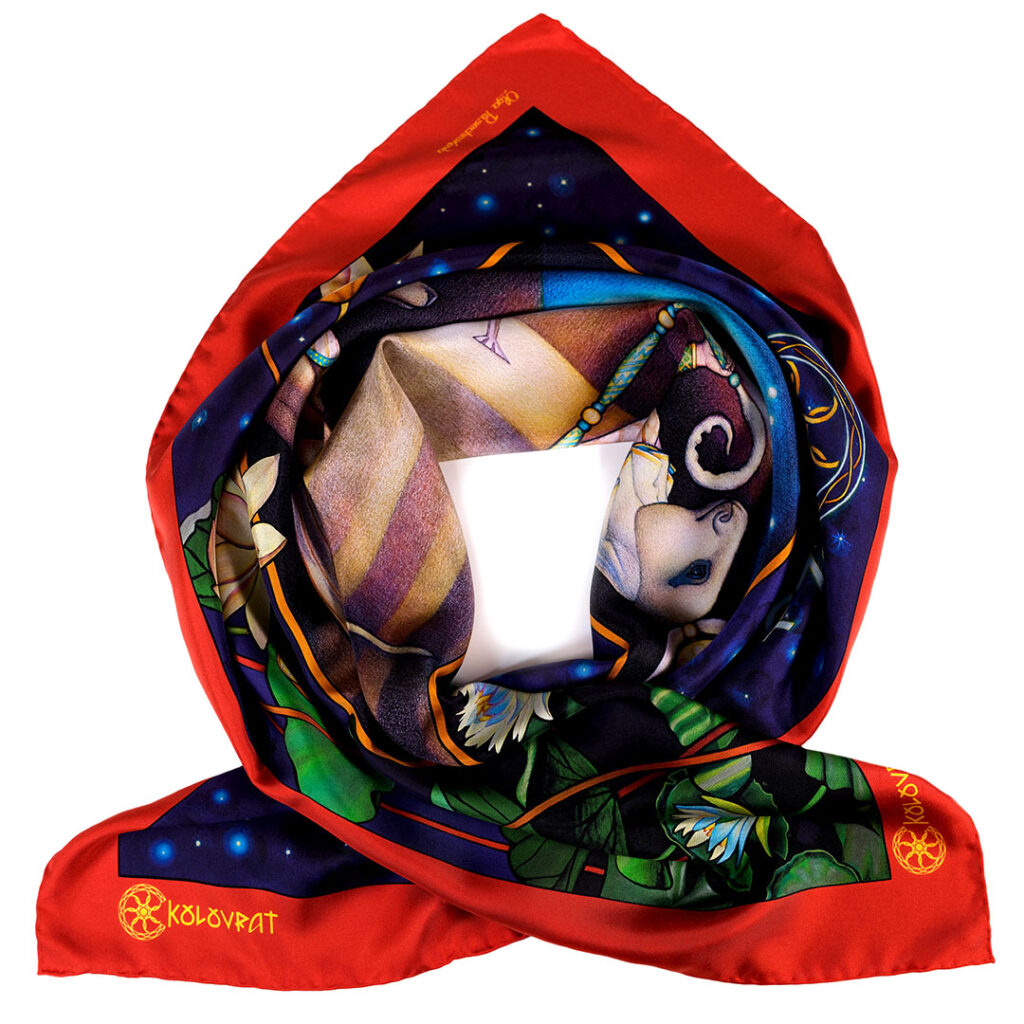
Orion silk scarf-a Scroll of Ancient Memory
A review of the Orion silk scarf—part of the Creation collection—may feel less supported by official science compared to my previous scroll The Beginning. Yet this design carries a story, a quiet episode in my journey, that organically aligned with my core interests and enriched them with magnificent, visually striking truths. These truths emerged from preserved fragments of antiquity artifacts and modern days science I was fortunate not only to witness, but to embody in this silk scarf design and now share through the PSICHORA blog
The Lotus and the Legacy of Egypt
Ever since I was a teenager and first encountered the imagery of Ancient Egypt, I’ve been captivated by the mysterious beauty of its objects and symbols. Over the years, my personal archives have grown, and it felt only natural to create a design that reflects the splendour of this cultural heritage.
I knew that my “soon-to-be-born” silk scarf would feature lotus flowers—sacred to Ra, the god of Creation and Rebirth, and later to Nefertem, the deity of rejuvenation, fragrance, beauty, arts, and medicine. These energies lie at the heart of the scarf design:
- White lotus symbolizes purity of soul and unearthly intelligence—an echo of divine presence. Though other lotus colours hold meaning, these two felt perfect for the composition I envisioned.
- Purple and blue lotuses represent divine wisdom, inner balance, and self-enlightenment—linked to the seventh chakra, our portal to universal consciousness.
Though other lotus colours hold meaning, these two felt perfect for the composition I envisioned for my next silk scarf.
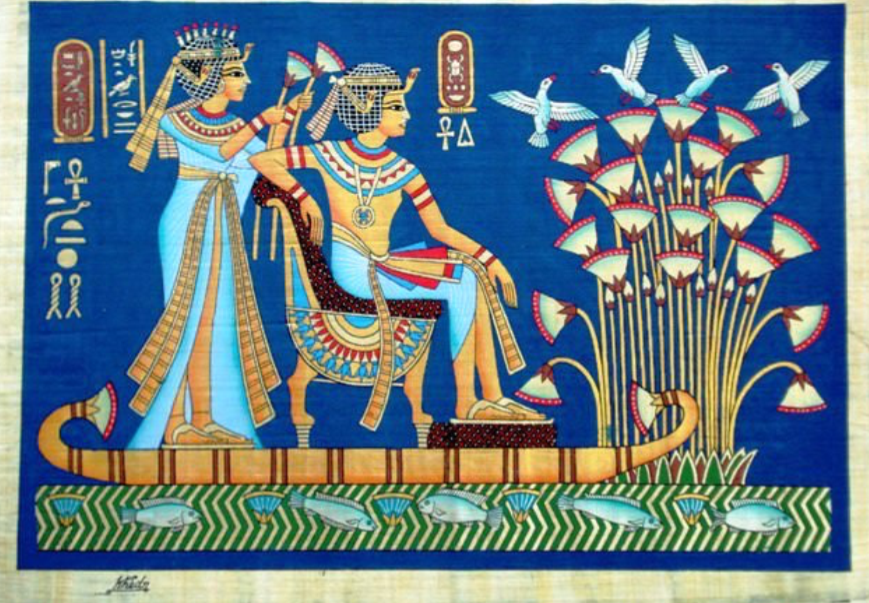
A modern days painting on papyrus paper representing restored art of ancient Egypt.
The Bee: Sacred Worker of Light
I’ve always held a tender respect for the bee tribe—seeing them as a gift from the Universe to our earthly kin. In Ancient Egypt, bees symbolized pharaonic authority, especially in Lower Egypt near the Mediterranean. The ancient Egyptians favoured the bee as it was linked to the royal ideology being the sign of legitimacy. Also, a bee was persistently represented on top of every cartouche of every reigning sovereign, throughout the ancient Egyptian history.
They were believed to be born from the tears of Ra, embodying tireless care, communal service, and immortality.
Their golden hue resonates with the Solar Plexus Chakra, our inner sun—seat of strength, luck, and destiny. This chakra governs the liver and gallbladder, vital organs whose health influences the entire body. Thus, the golden honey-makers became essential players in this design’s energetic story.
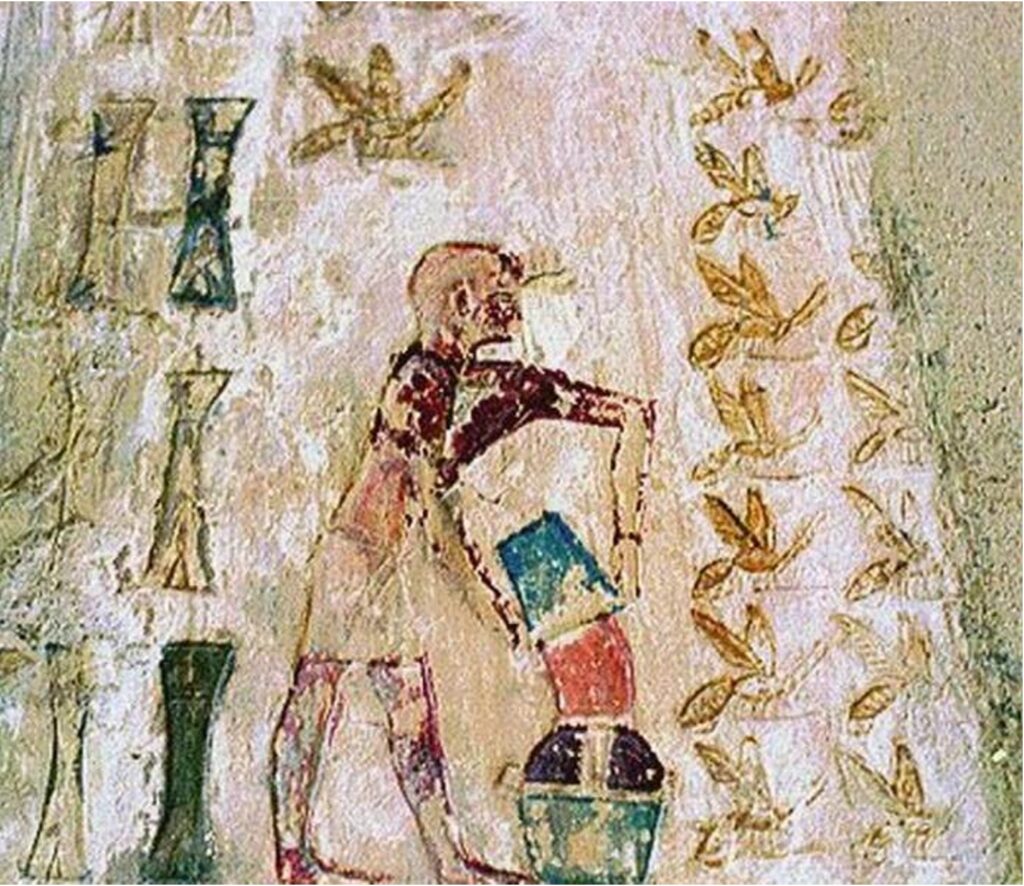
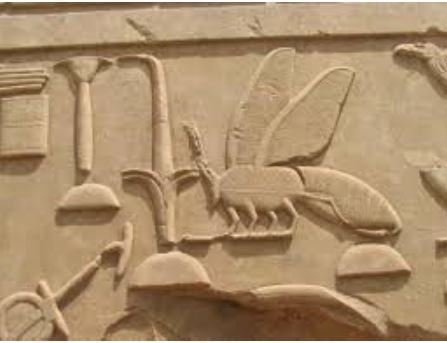
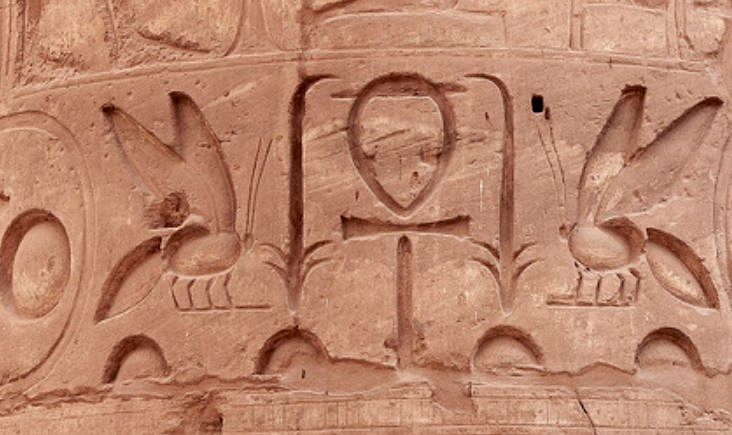
A Papyrus, A Glimpse, A Revelation
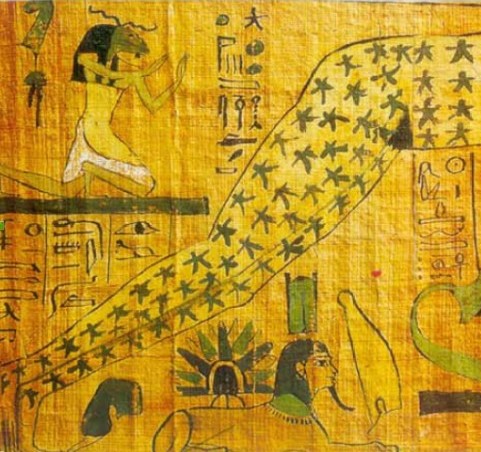
While researching Ancient Egypt, I stumbled upon a papyrus that left me stunned. In its lower left corner, a round object stood on thin legs, glowing—resting atop the still existing Sphinx’s back like a modern helicopter on a landing pad. My mind hesitated to accept what it saw…
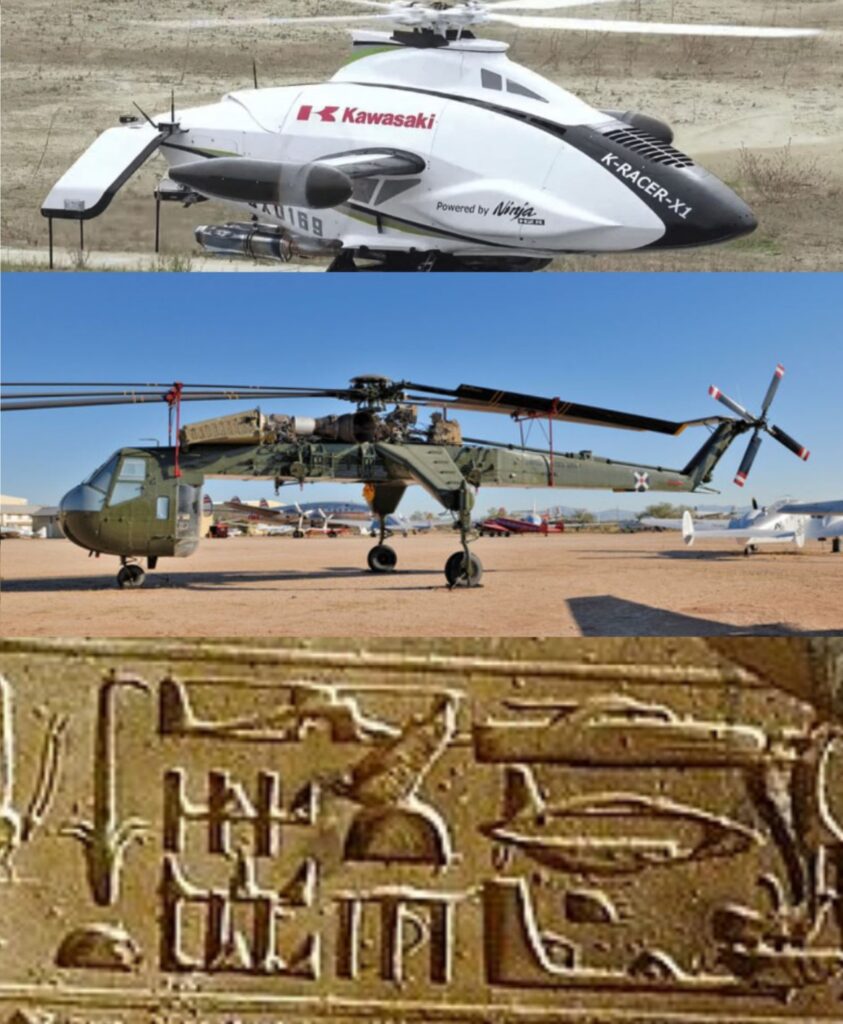
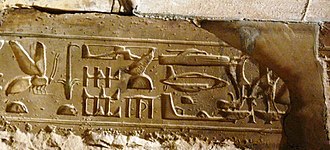
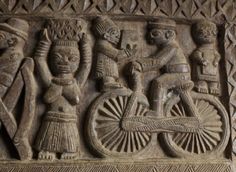
Further exploration revealed similar depictions—several flying crafts etched into ancient reliefs. The resemblance to today’s helicopters was uncanny. An ancient family riding bicycle in times we were taught a wheal was yet to be invented resists our cultivated consciousness.
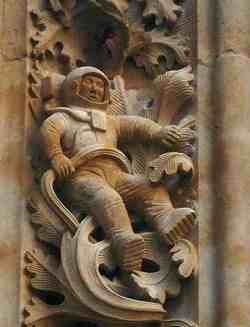
Almost 3-Dimentional sculptures of men wearing equipment of our days astronauts scream of nothing but the truth long hidden away while already has been known to some.
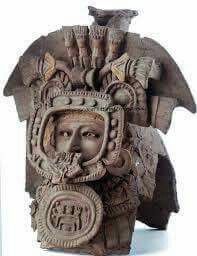
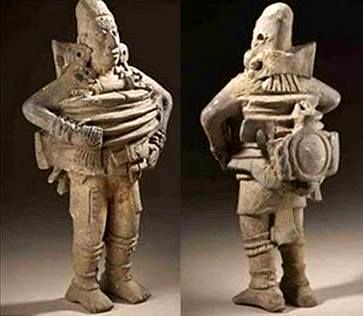
I believe this is no coincidence. Human imagination, shaped by experience, rarely invents what it hasn’t seen or been told. Across cultures and continents, such imagery points to something more than chance.
Gods, Gateways, and the Nature of Existence
Understanding this, the symbolism of Egyptian deities becomes clearer. I chose Hathor and Anubis as allegories of life’s two great thresholds:
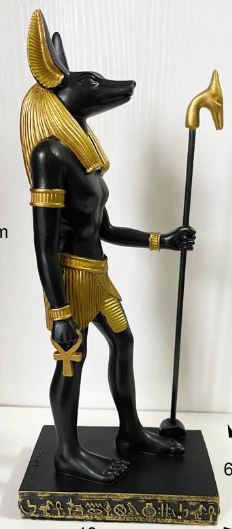
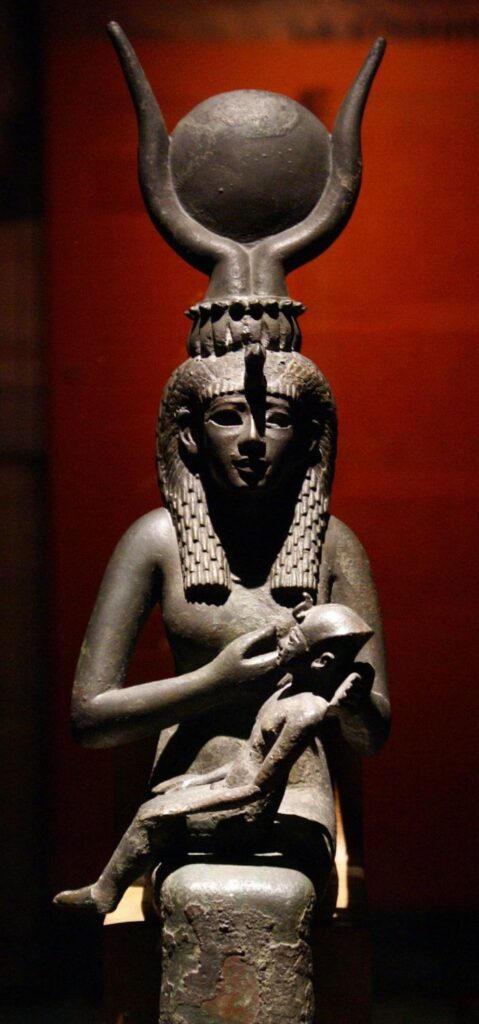
- Anubis: guardian of death, judge of the soul, guide to the afterlife.
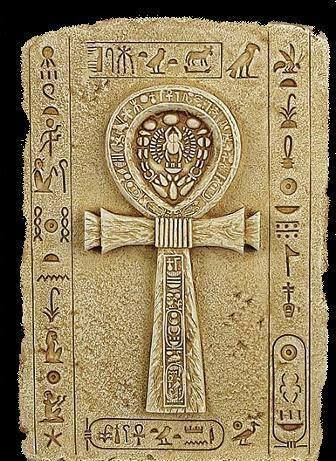
- Ankh: symbol of eternal life.
- Hathor: goddess of conception, birth, and renewal.
Hathor and Anubis allegorically interpret the fundamental law of the human life cycle, pointing to the inevitable mortality of the flesh, but the eternity of the soul through the possibility of further reincarnation.
Together, they represent the cycle of mortality and the soul’s potential for reincarnation. One image in particular shows Anubis escorting a soul of the deceased to Hathor, who prepares to rebirth it from the afterlife place enclosing into him the Ankh (symbol of reincarnation).
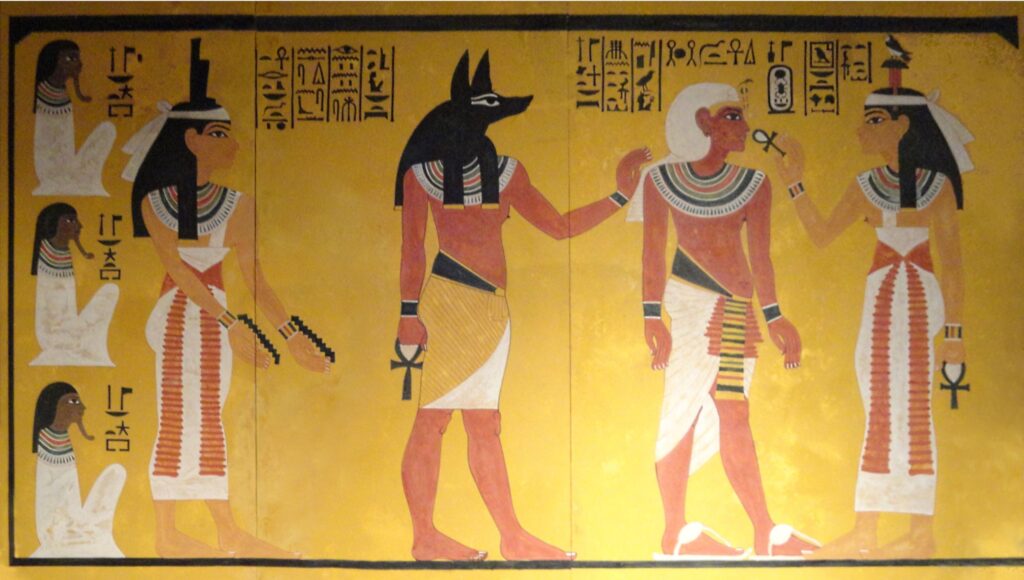
In the Period of Early Dynasty (c. 3150-2613 BCE) and Old Kingdom (c. 2613-2181 BCE) Anubis was the principal Lord of the Dead and righteous judge of the soul. The priests of Anubis temples were male and usually wore wooden masks during sacred rituals, embodying his presence.
Reflections Beyond Earth
Birth and death, renewal and release—these are the deepest questions we face, not only on Earth but across the Universe. The value of life itself, conception, gestation and birth. The awareness of the need for renewal, which is only possible after the passing of someone who has already lived, these aspects are and always will be the most difficult to understand here on this planet. I believe that just thinking over such things will ultimately help us see life as a concept of much greater depth. This, in turn, will foster greater responsibility toward ourselves and the world we are a part of. It connects us to those who may have journeyed unimaginable distances to shape our human race, offering wisdom, likeness, and who provided everything necessary for our steady development and advancement. I believe that just contemplating these mysteries helps us live with greater depth and responsibility.
What Arrival Holds
So, dear reader, this is what the Orion silk scarf carries:
- A story of ancient symbols and cosmic echoes.
- Energies of renewal, wisdom, and divine connection.
- A humble offering wrapped in luxurious silk.
May it stir your thoughts, awaken your senses, and invite you into the quiet wonder I felt while creating it.
Peace be upon us all ✨